AI buildout shifts investor focus to monetization as power and water constraints shape cloud economics

The AI boom is colliding with grid and water realities, and that is changing how markets look at Big Tech spending. The key question is whether new capacity becomes paid AI services fast enough to defend margins amid permitting scrutiny and local pushback.
AI’s buildout story is expanding again—this time from “how much is being built” to “how quickly it can pay for itself,” as infrastructure headlines link cloud spending to data-center demand, power constraints, water usage, and growing local scrutiny.
A bundled set of AI product and infrastructure items summarized by an AI infrastructure and local-permitting source package highlights a familiar chain: more AI services drive more cloud compute demand, which drives data-center construction and equipment orders. But the package also flags the friction points that can determine whether that investment becomes revenue on schedule—grid strain, water requirements, permitting conditions, and community protests or demonstrations that can slow, reshape, or put projects at risk of delay or cancellation.
For markets, that turns the AI trade into a utilization-and-monetization question for hyperscalers. Microsoft (MSFT), Alphabet (GOOGL), Amazon (AMZN) and Meta (META) can spend heavily on AI capacity, but investors ultimately care about whether that capacity is energized, permitted, and in use—and whether AI features and services can be priced and adopted in a way that supports software monetization rather than simply raising operating costs.


Nvidia (NVDA) still sits at the center of the equipment side of the ecosystem, since chips are a major component of AI buildouts. But the source bundle’s emphasis on power and water pushes attention beyond the chip order cycle toward what happens after the hardware arrives: the ability to connect to sufficient electricity, secure approvals, and operate at high utilization without political or resource bottlenecks.
The economic tension is straightforward. When AI capacity ramps smoothly, cloud providers can convert capital spending into billable AI services—either by selling AI tools directly, bundling them into software subscriptions, or charging for usage inside cloud platforms. When ramp timing is uncertain, utilization can lag expectations, which can pressure margins even if the long-term demand story remains intact. The same infrastructure constraints can also lift the day-to-day cost base through higher power needs and cooling requirements, adding another variable to margin narratives.
The public-resource side of the story is becoming harder to ignore. Data centers are large, visible developments that compete for local infrastructure. The source package points to water usage concerns, permitting scrutiny, and community pushback as recurring themes. Public meetings and demonstrations don’t automatically halt projects, but they can change timelines or force design changes and additional conditions—outcomes that investors often translate into execution risk.
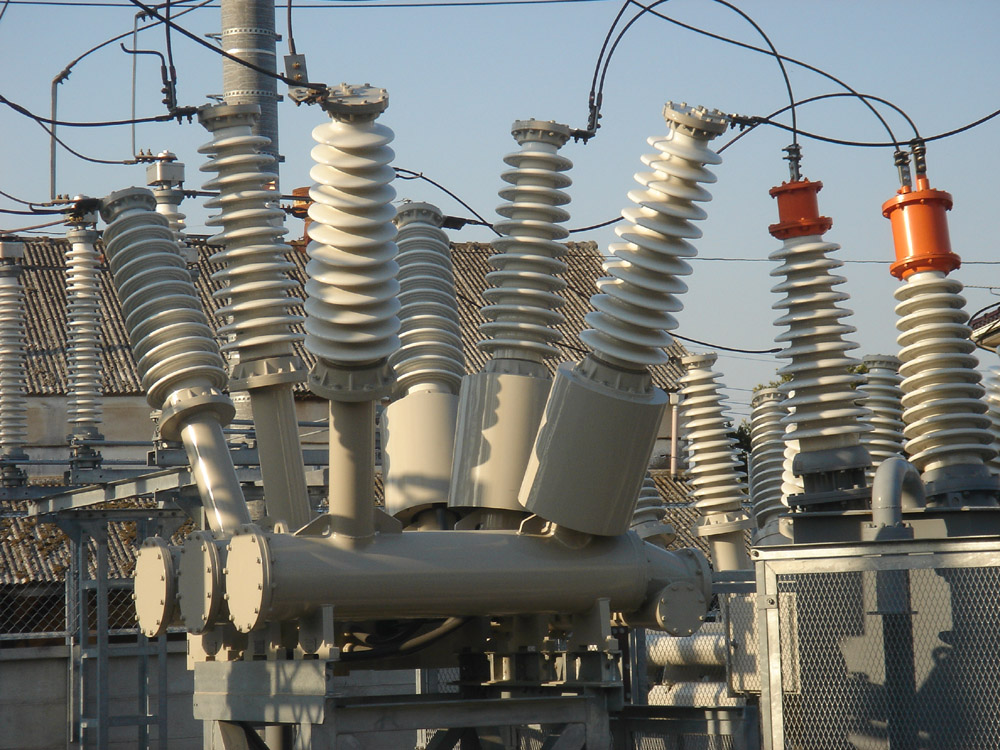

There is also a cross-sector read-through. Utilities and power-related names—often discussed through sector proxies such as Utilities Select Sector SPDR (XLU)—can land on both sides of the trade. A wave of incremental load from data centers can support long-term demand for generation and grid investment, but it can also highlight near-term constraints and the politics of who pays for upgrades. That feedback loop matters for the tech-heavy Nasdaq-100 tracker Invesco QQQ (QQQ), because the largest index weights include companies most exposed to AI infrastructure and cloud economics.
OmniMint interpretation: the market’s next phase of AI pricing power may be judged less by model demos and more by “unit economics under constraint”—how effectively hyperscalers translate scarce, resource-intensive compute into products customers will pay for, at margins that can withstand higher energy intensity and permitting friction.
What to watch next is whether AI services show clearer pathways to monetization as infrastructure constraints persist: signals around cloud spending priorities, the pace of data-center capacity coming online, and any increase in local pushback or permitting conditions that could elongate timelines. Those factors can shape the cadence of chip deployment (NVDA), the pace of cloud revenue capture (MSFT, GOOGL, AMZN), and the broader index-level narrative for QQQ—while keeping power and water politics in the foreground.
OmniMint uses outside reporting as citation anchors, then adds original market context and workflow analysis from published research data.
- AI buildout keeps stocks, cloud demand, power, water, and local pushback in focus AI infrastructure / local permitting source bundle - 2026-05-25T14:00:00Z
Source attribution: AI infrastructure / local permitting source bundle. Source attribution is preserved; this page is published as an OmniMint read.