AI data-center boom shifts attention to the grid as utilities become the next bottleneck

The AI buildout is still a chips-and-cloud story, but the constraint investors are tracking is increasingly electrical: grid strain, interconnection queues and rate decisions that can speed—or slow—data-center timelines.
The AI buildout is keeping markets focused on a more basic question than model releases: where the electricity will come from.
A bundled set of AI product and infrastructure headlines, captured in an AI infrastructure and local-permitting source package, links cloud spending and data-center demand with power constraints, grid strain and growing scrutiny of the physical footprint of large projects. The same bundle flags permitting attention and community protests or demonstrations as frictions that can add time uncertainty to big buildouts.
For investors, the shift matters because the AI story can move on more than just chip performance and software demos. If power procurement and grid interconnections become gating items, the pace of data-center additions can become less linear—changing the timing of hardware orders, cloud capacity ramps, and the point at which new AI services can be monetized.
The “picks-and-shovels” winners have been easy for markets to describe: more data centers typically mean more demand for advanced accelerators, keeping attention on Nvidia (NVDA) as a central supplier to AI server buildouts. But the same infrastructure logic pulls in a second group of beneficiaries—and potential chokepoints—around the power system.
Hyperscalers Microsoft (MSFT), Alphabet (GOOGL), Amazon (AMZN) and Meta (META) are financing and operating much of the new compute footprint, which ties their AI ambitions to local utility capacity, transmission availability, and the practical lead times of connecting large loads to the grid. When that connection takes longer than expected—or becomes a point of regulatory or community contest—the risk isn’t necessarily that demand disappears. It’s that capacity and revenue arrive later than the market is currently modeling.
Utilities, often treated as a defensive corner of the market, are also getting pulled into AI narrative trading through expected load growth and grid upgrades. That can create crosscurrents for the Utilities Select Sector SPDR Fund (XLU): potential upside from rising demand and new infrastructure needs, tempered by questions about cost allocation, the pace of approvals, and whether ratepayers, developers, or a mix ultimately absorb the bill.
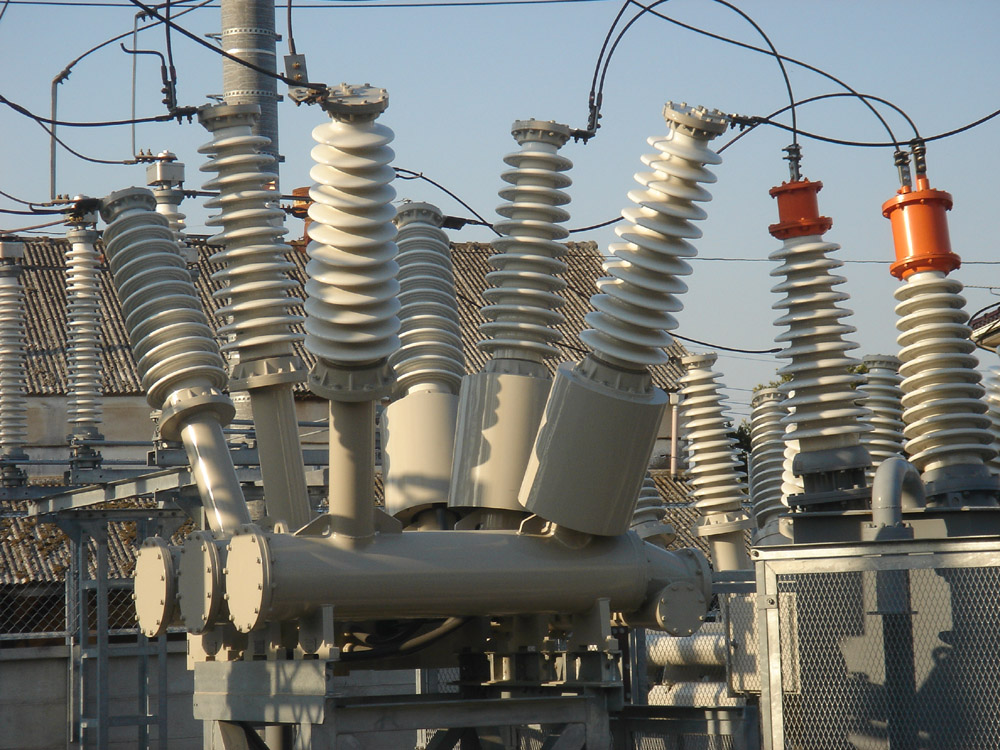

The source bundle also underscores that AI’s physical footprint is becoming harder to ignore. Large data centers don’t just consume electricity; they can drive local debates about land use, permitting conditions, and public resources. Those debates can show up in public meetings and protests, and they can feed back into the grid story via siting, timelines, and required upgrades.
That combination—strong cloud demand on one side, real-world constraints on the other—creates a two-speed market setup. In one scenario, power procurement and interconnection processes adapt quickly enough to keep capacity additions on track, supporting a steadier ramp in cloud AI services. In another, project pacing becomes lumpier, which can show up as uneven ordering patterns for hardware and a more volatile cadence in when cloud AI capacity is actually available to customers.
For the Nasdaq-heavy Invesco QQQ Trust (QQQ), the read-through is that AI exposure is no longer only about who has the best chips or the most popular consumer features. The buildout increasingly depends on the less glamorous layer: grid access, power availability, and the regulatory processes that govern expansions.
OmniMint interpretation: markets are treating grid friction as the next phase of the AI cycle—an operational constraint that can change the timing of capex conversion into usable compute. That timing, in turn, affects how quickly hyperscalers can translate infrastructure spending into software monetization.
What comes next will likely be signaled less by product launches than by the pace of utility upgrades, interconnection progress, and the temperature of local debates around large new facilities. Investors will be watching for whether the grid side of the equation smooths out—or becomes the recurring delay risk embedded in AI’s expansion story.
OmniMint uses outside reporting as citation anchors, then adds original market context and workflow analysis from published research data.
- AI buildout keeps stocks, cloud demand, power, water, and local pushback in focus AI infrastructure / local permitting source bundle - 2026-05-25T14:00:00Z
Source attribution: AI infrastructure / local permitting source bundle. Source attribution is preserved; this page is published as an OmniMint read.