AI data-center buildout puts cloud monetization, grid limits and local pushback back in the spotlight

The AI buildout is increasingly colliding with real-world limits: electricity supply, grid upgrades, water use, and permitting scrutiny. Markets are watching whether cloud spending converts into software revenue fast enough.
The AI buildout is keeping Wall Street’s attention split between what’s happening inside the data center—chip demand and cloud spending—and what’s happening outside it: power availability, water usage, and local resistance that can delay or derail new capacity.
A bundled set of AI infrastructure and permitting headlines linked the current wave of AI product launches to the physical footprint needed to run them, highlighting data-center demand, electricity constraints, water use, and a rising layer of permitting scrutiny and community protests. The backdrop is a market that still wants confirmation that AI capacity additions will translate into durable software revenue, not just capital spending.
For markets, the read-through runs in two directions.


On one side are the “build” beneficiaries. Nvidia (NVDA) sits at the center of the hardware supply chain tied to large AI training and inference clusters. If cloud providers keep expanding capacity, chip demand can remain supported. The hyperscalers—Microsoft (MSFT), Alphabet (GOOGL), Amazon (AMZN), and Meta (META)—are the main channels for that demand through their own data-center buildouts and AI product roadmaps. The technology-heavy Nasdaq-100 proxy (QQQ) tends to reflect this cluster, because the same companies also drive index performance.
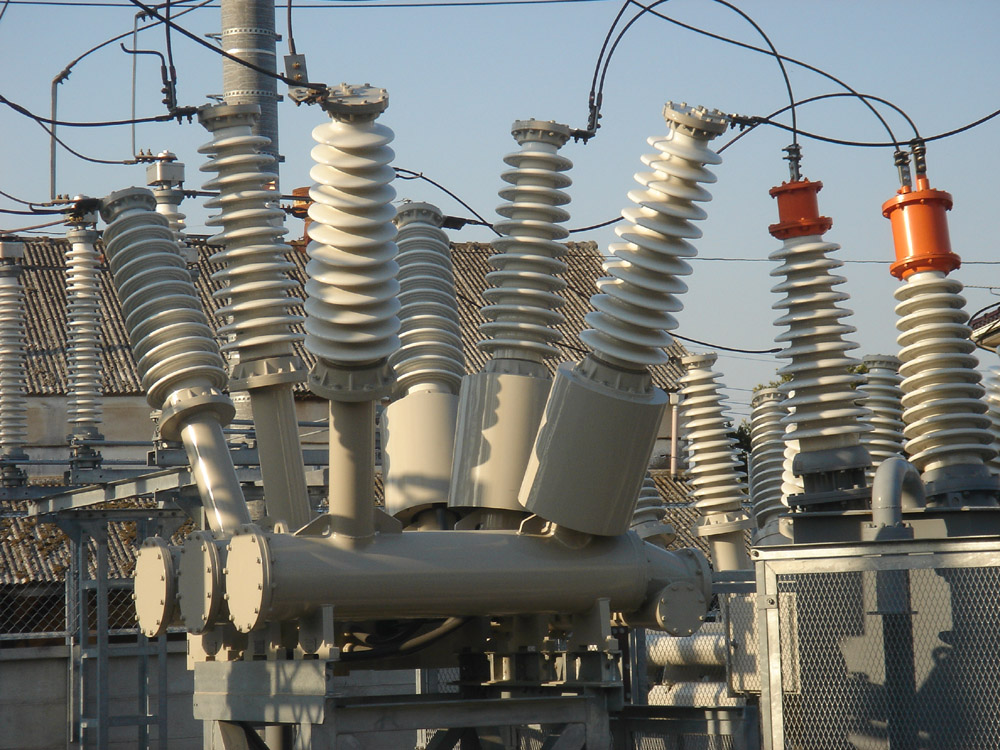
On the other side are the constraints that can cap the pace of growth. Data centers are power-hungry, and the source bundle emphasizes power constraints and grid strain as a practical limit. That ties utilities and power infrastructure into the AI story: the sector ETF (XLU) can come into focus when investors reprice expectations for electricity demand growth, grid upgrades, and the permitting timelines that go with them.
Water is emerging as a parallel constraint. The source bundle notes water usage as a key part of data-center scrutiny, which matters because siting decisions often hinge on local resource availability and public acceptance. When projects draw attention at planning boards or community hearings, the process can slow; in some cases, the risk escalates to delay or cancellation, even if no specific project outcome is guaranteed.

The central question for investors right now is timing: when does the AI capacity being built by hyperscalers translate into monetization that supports margins? The source bundle flags software monetization as a core theme. In practice, markets will watch utilization—how quickly new compute capacity is filled with paying workloads—and whether pricing power in AI services holds up as more supply comes online. If utilization ramps smoothly, heavy capex can look more like a setup for recurring revenue. If it doesn’t, higher operating costs (including power) can become a drag.
Local pushback is the wildcard that can turn a smooth ramp into a lumpy one. Public meetings, permitting scrutiny, and demonstrations can extend timelines and raise costs, which can ripple back to suppliers and customers. Even without a definitive stop, uncertainty itself can matter: it can shift where projects are built, how fast capacity is added, and how much flexibility hyperscalers have to meet demand.
What comes next is less about a single earnings print and more about the pace of approvals and infrastructure readiness. Investors will be tracking signals that cloud spending remains aimed at AI buildout, whether grid capacity and interconnection keep up, and how frequently local water and land-use issues surface as gating factors. The AI trade is still about software and chips—but increasingly, it is also about electricity, water, and permission to build.
OmniMint uses outside reporting as citation anchors, then adds original market context and workflow analysis from published research data.
- AI buildout keeps stocks, cloud demand, power, water, and local pushback in focus AI infrastructure / local permitting source bundle - 2026-05-25T14:00:00Z
Source attribution: AI infrastructure / local permitting source bundle. Source attribution is preserved; this page is published as an OmniMint read.