AI data-center buildout refocuses markets on chips, cloud spend—and the physical limits of power and water

The AI boom is colliding with grid capacity, water use, and permitting scrutiny, adding a new layer of execution risk to the same trade powering chips, cloud platforms, and utilities.
The AI buildout is moving from product headlines to infrastructure reality, keeping markets focused on a linked chain of demand—from cloud spending and high-end chips to the power, water, and permits required to run large data centers.
The same forces that have supported major AI and cloud stocks are now drawing attention to constraints that sit outside the traditional tech narrative: grid strain, utility interconnection timelines, water availability, and local hearings that can delay or reshape projects. That mix is why investors are increasingly tracking not only model launches and software monetization, but also whether the physical footprint of AI infrastructure can expand as quickly as corporate plans imply.
For the equity market, the most direct read-through runs through the AI supply stack. Chip demand remains central to the buildout story, with companies like Nvidia (NVDA) closely tied to data-center expansion. On the demand side, hyperscalers such as Microsoft (MSFT), Alphabet (GOOGL), Amazon (AMZN), and Meta Platforms (META) sit at the intersection of two moving parts: they are both customers of the infrastructure layer and the primary sellers of AI-enabled services and cloud capacity.
That matters for index trading mechanics as well. The Nasdaq-100 tracker QQQ is often treated as a shorthand gauge for AI exposure, but the next leg of the theme may hinge less on pure technology momentum and more on buildout execution—how quickly new capacity can be delivered without hitting bottlenecks.
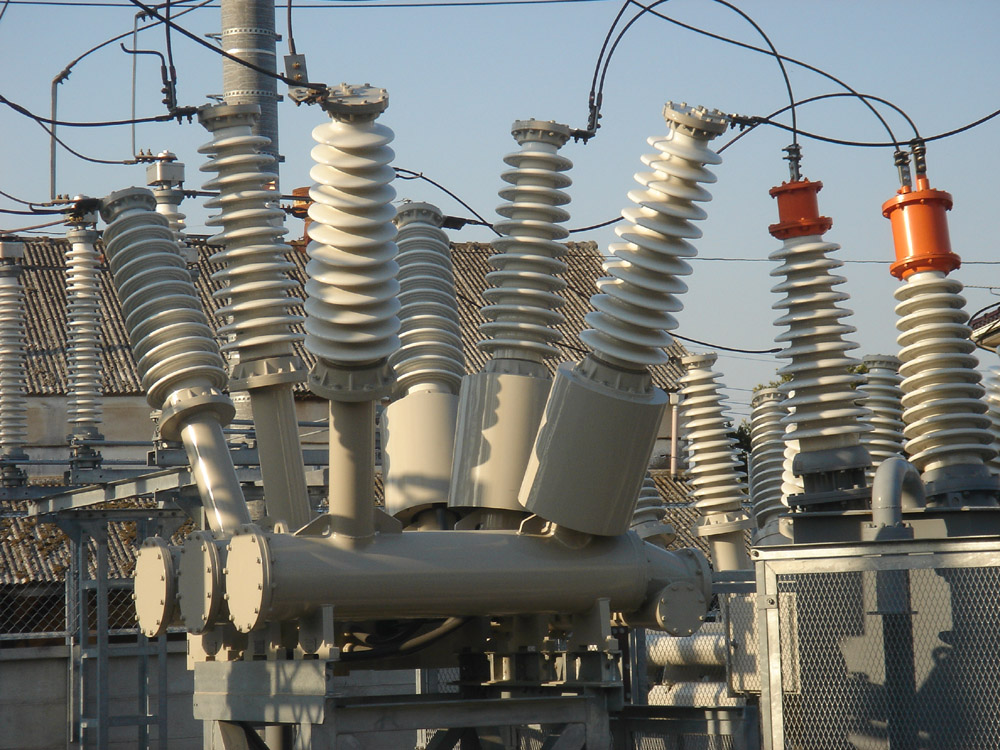

Utilities are part of the same equation. Data centers require significant, steady electricity supply, pulling the utilities sector into the conversation and creating a potential read-through to XLU as investors watch how regulated and merchant power providers respond to growing load. The upside case is straightforward: more demand for power infrastructure can translate into new investment cycles. The counterweight is also clear: grid limitations and the pace of interconnections can turn into friction, especially where data-center clusters grow faster than transmission and generation planning.
Water usage has become another pressure point. Large facilities often need water for cooling, which can trigger scrutiny in areas where supply is limited or where public officials and residents are sensitive to industrial usage. As data-center demand scales with AI workloads, water becomes both a cost and a permitting issue, raising the odds that some projects face tougher conditions, redesigns, or longer timelines.
Local pushback is an additional variable that markets can’t model with a simple demand curve. Community protests, public meetings, and permitting scrutiny can introduce uncertainty—especially for large campuses that change land use, increase traffic and construction intensity, and draw on local resources. None of that guarantees projects will be stopped, but it does widen the range of outcomes: a faster buildout where approvals are smooth, or delays and cancellations where opposition and regulatory review intensify.
OmniMint interpretation: AI’s market narrative is maturing. Investors are still underwriting growth in chips and cloud services, but the swing factor is shifting toward “shovel-ready” constraints—power availability, water rights and sourcing, and permitting timelines. That shift can redistribute near-term winners and losers inside the same AI theme: software monetization headlines may matter less in the short run if capacity can’t come online fast enough, while infrastructure-adjacent businesses may matter more if constraints drive higher spending on grid upgrades and efficiency.
What comes next will likely be signaled less by a single earnings comment and more by the cadence of build decisions: announcements about new data-center sites, updates on interconnection and grid capacity, evolving local regulatory requirements, and the tone of community hearings. For markets, the key question is whether AI demand continues to translate smoothly into deployed compute—or whether physical constraints become the limiting factor that reshapes expectations across tech and utilities alike.
Market impact
- Tone is constructive on AI demand but more balanced on near-term delivery: the buildout is supportive for chips, cloud and parts of utilities, while power and water constraints plus permitting scrutiny add a growing tail risk of delays that could shift expectations quarter to quarter.
Risks to watch
- Grid capacity limits and slow interconnection timelines delaying data-center energization
- Water sourcing and usage scrutiny tightening project conditions or increasing costs
- Permitting delays, legal challenges, or community protests slowing construction
- Project redesigns, deferrals, or cancellations creating volatility in demand signals
- Margins pressured if infrastructure scarcity raises operating costs faster than monetization ramps
Workflow checks
- No invented numbers, project names, quotes, or claims of stoppage; delays/cancellations framed as risk
- Inverted-pyramid structure: AI buildout news peg, then market read-through, then constraints and what’s next
- Tickers referenced only as read-through to stated themes (chips, cloud, utilities, index exposure)
- Clear separation between sourced facts and OmniMint interpretation
OmniMint uses outside reporting as citation anchors, then adds original market context and workflow analysis from published research data.
- AI buildout keeps stocks, cloud demand, power, water, and local pushback in focus AI infrastructure / local permitting source bundle - 2026-05-25T14:00:00Z
Source attribution: AI infrastructure / local permitting source bundle. Source attribution is preserved; this page is published as an OmniMint read.