AI’s buildout is becoming a margins story: investors watch whether hyperscaler spend turns into software revenue

A new wave of AI and data-center headlines is keeping chips and cloud in focus while adding a key investor test: whether heavy spending produces monetizable usage—despite power, water and permitting frictions.
The AI boom is still driving a massive data-center buildout, but the market’s emphasis is shifting from “how fast can capacity be built?” to “how fast can that capacity be monetized?” A bundled set of AI product and infrastructure headlines highlighted by an AI infrastructure and local-permitting source package ties surging cloud spending and data-center demand to chips, grid and water constraints, and community-level scrutiny—while keeping a central investor question in focus: when AI infrastructure costs show up as recurring software and cloud revenue.
The same source bundle links the current cycle across the stack: higher demand for AI services pushes cloud providers to add compute, which supports orders for advanced chips and data-center equipment. But it also flags real-world bottlenecks—power availability, water usage, and permitting conditions—that can affect how quickly new sites come online and how reliably utilization ramps once hardware is installed.
For markets, that framing matters because it changes what investors watch in Big Tech earnings and guidance. The hyperscalers—Microsoft (MSFT), Alphabet (GOOGL), Amazon (AMZN) and Meta (META)—are at the center of both sides of the ledger: they fund a large share of the compute expansion and also control many of the products meant to turn that compute into revenue. If AI demand rises faster than monetization, margins can come under pressure even as infrastructure spend remains elevated. If monetization accelerates—through higher paid usage, better utilization, or new software pricing—then the same buildout can look more like an operating leverage story.


The capex-to-revenue timing is also a key read-through for Nvidia (NVDA) and the broader AI complex. Strong cloud demand and aggressive data-center expansion can support near-term chip demand, but the source bundle’s emphasis on constraints and approvals adds uncertainty to the pace of deployments. Delays in permitting, power hookups, or community-driven project changes may not eliminate demand, but they can shift it across quarters, complicating the cadence of orders and revenue recognition across the supply chain.
That dynamic feeds directly into index performance. The Nasdaq-heavy Invesco QQQ Trust (QQQ) has significant exposure to the hyperscalers and the broader AI ecosystem, so changes in expectations around AI monetization and margins can influence index-level sentiment. At the same time, the power-intensive nature of AI compute keeps utilities and grid-related names in view, raising the profile of the Utilities Select Sector SPDR Fund (XLU) as investors track how electricity supply, interconnection timelines, and rate debates intersect with data-center growth.
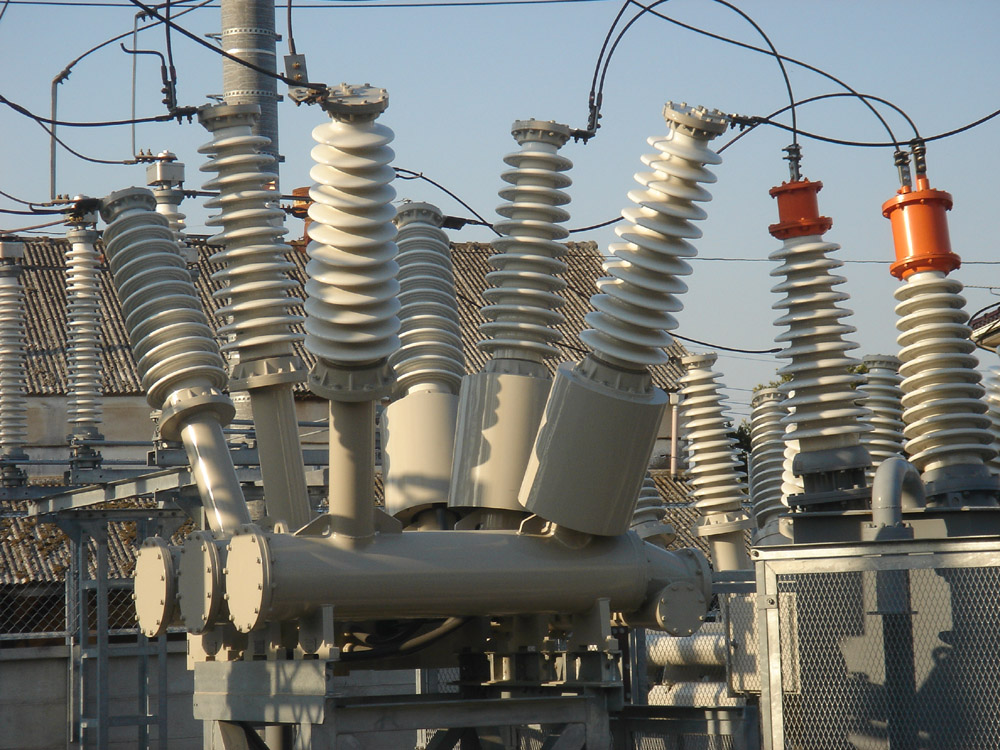

Outside the market, the source package underscores why the monetization question is arriving now: the physical footprint of AI infrastructure is colliding with public resources and local politics. Water usage, power constraints, and permitting scrutiny can become gating items for new capacity—especially when projects face public hearings, protests or demonstrations, or additional conditions attached to approvals. The bundle explicitly flags that large buildouts carry delay risk, and in some cases cancellation risk, when approvals tighten or opposition persists.
OmniMint interpretation: investors may increasingly separate “AI demand is real” from “AI profits are here.” In that setup, software monetization and utilization become the bridge between infrastructure headlines and stock performance—particularly for MSFT, GOOGL, AMZN and META. The supply chain and infrastructure side still matters, but the market’s next move may hinge on whether AI capacity is filling with paid workloads fast enough to justify the buildout.
What comes next is likely more scrutiny on three fronts: signs of sustained cloud spending tied to AI services, updates on data-center timelines where power and permitting are tight, and evidence that AI products can be priced and packaged in ways that support margins rather than just demand.
OmniMint uses outside reporting as citation anchors, then adds original market context and workflow analysis from published research data.
- AI buildout keeps stocks, cloud demand, power, water, and local pushback in focus AI infrastructure / local permitting source bundle - 2026-05-25T14:00:00Z
Source attribution: AI infrastructure / local permitting source bundle. Source attribution is preserved; this page is published as an OmniMint read.