AI buildout keeps markets watching whether cloud capex turns into revenue as permits, power and water add friction

A bundle of AI infrastructure and local-permitting headlines is keeping attention on how quickly Microsoft, Google, Amazon and Meta can translate data-center spending into paid AI services—while grid limits, water use and community protests create delay risk.
The AI buildout is keeping a broader set of market questions in play than “who sells the most chips,” as a new bundle of infrastructure and local-permitting headlines ties cloud expansion to power constraints, water usage and community pushback that could slow timelines.
For investors, the near-term focus is increasingly on monetization: whether heavy data-center spending by hyperscalers—Microsoft (MSFT), Alphabet (GOOGL), Amazon (AMZN) and Meta (META)—translates into durable software and cloud revenue growth fast enough to defend margins, rather than becoming stranded capacity waiting on approvals, hookups or public acceptance.
The source bundle links AI product momentum with the physical footprint required to deliver it. Rising demand for AI compute is driving more data-center construction and cloud spending, but those plans are intertwined with real-world constraints: electricity availability, grid strain, water consumption, and the permitting and political process that governs new large-load facilities. Local protests and demonstrations, as well as heightened scrutiny at community hearings and permitting agencies, are recurring themes in the bundle—raising the risk of delays or cancellations for some projects without establishing that any specific project will be stopped.


In the stock market, that pushes the AI narrative toward a two-step process. Step one is capacity build—where Nvidia (NVDA) remains central because its accelerators sit at the heart of many AI training and inference deployments. Step two is utilization and pricing—whether the new compute is absorbed by paying customers and internal workloads that produce measurable returns. If utilization ramps cleanly, hyperscalers can potentially monetize AI features in software, advertising, and cloud services; if ramps are choppy, the same capex can pressure near-term margins.
Mega-cap tech’s prominence in indexes means this theme can show up at the index level as well. The Nasdaq-100 proxy (QQQ) is exposed to both sides of the trade: faster AI revenue capture can support earnings power, while bottlenecks in permitting, power procurement, or water access can extend payback periods and amplify sensitivity to any signs of slowing cloud demand.
Utilities are part of the read-through, but not only through “more electricity demand.” The bundle highlights the political economy of large data-center loads: where the power comes from, how quickly connections are approved, and how costs are allocated can influence outcomes for utilities and ratepayers—keeping the Utilities Select Sector SPDR (XLU) in the conversation even when the market’s headline focus remains on AI chips and cloud platforms.
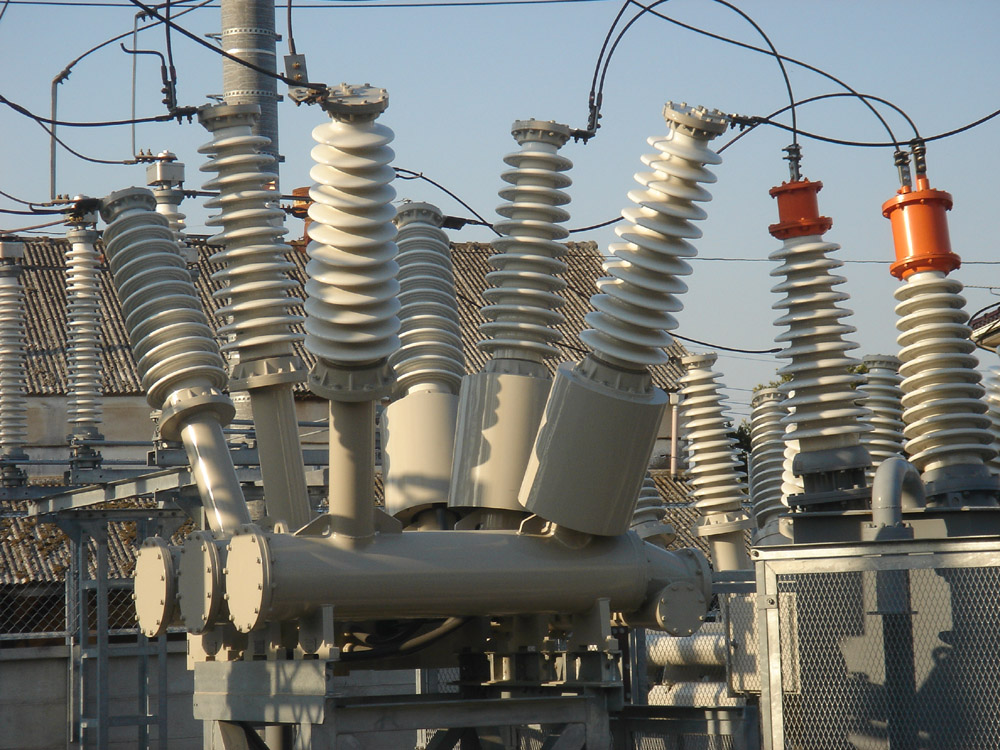

Water is another point of tension flagged in the infrastructure headlines. Data centers’ cooling needs can draw scrutiny in regions where water is scarce or where local stakeholders want tighter safeguards. That can add time and uncertainty to project development, creating an additional gating factor alongside power and permits.
OmniMint interpretation: the market is treating AI as both a software story and an industrial buildout. The nearer the debate gets to community hearings, permitting schedules, and resource constraints, the more the path from “capex announcement” to “recognized revenue” becomes the key variable for MSFT, GOOGL, AMZN and META—and a second-order variable for NVDA shipment cadence.
What comes next is less about a single headline and more about sequencing. Markets will be watching for signs that AI capacity additions are arriving on time, that customers are consuming that capacity at attractive prices, and that local permitting and resource concerns do not widen into a generalized drag on buildout timelines.
OmniMint uses outside reporting as citation anchors, then adds original market context and workflow analysis from published research data.
- AI buildout keeps stocks, cloud demand, power, water, and local pushback in focus AI infrastructure / local permitting source bundle - 2026-05-25T14:00:00Z
Source attribution: AI infrastructure / local permitting source bundle. Source attribution is preserved; this page is published as an OmniMint read.