AI buildout shifts to a harder question: when does capacity turn into profits?

The AI race is driving cloud capex, data-center demand and Nvidia chip orders—but power, water and local scrutiny can slow timelines. Markets are now weighing utilization and software monetization against buildout risk.
The AI buildout is still accelerating demand for chips and cloud capacity, but the market’s next question is getting sharper: how quickly can that new capacity be turned into paid usage and software revenue before real-world constraints slow projects down.
A bundled set of AI product and infrastructure headlines, captured in an AI infrastructure and local-permitting source package, links surging cloud spending and data-center demand with power constraints, grid strain, water usage, and increasing permitting scrutiny. The same bundle flags community protests and demonstrations as a practical risk factor that can delay—or in some cases push developers to rethink—large buildouts, without making any single outcome certain.
That mix matters for both the “picks-and-shovels” trade and for the companies funding and operating the infrastructure. On the supplier side, heavy compute demand keeps attention on Nvidia (NVDA) and the broader AI hardware stack, which benefits when hyperscalers and large enterprises continue to buy capacity. On the platform side, investors are watching Microsoft (MSFT), Alphabet (GOOGL), Amazon (AMZN), and Meta (META) for signs that rising infrastructure intensity is matched by durable monetization—through higher cloud utilization, AI services adoption, and software pricing power.


In practical terms, the market read-through is no longer just about how many data centers get announced. It’s about the utilization curve: whether new capacity comes online on schedule, is fully used, and converts into higher-margin revenue rather than sitting underutilized while carrying costs. When infrastructure timelines stretch—because of power hookups, water availability, or permitting and community pushback—the lag can complicate the “spend now, earn later” equation that underpins many AI narratives.
The friction points in the source bundle are notably physical. Data centers draw large amounts of electricity and increasingly put water usage under a spotlight, particularly in regions where local resources are already a political issue. Permitting scrutiny and community hearings can bring those trade-offs to the surface, and public demonstrations can add uncertainty to schedules. For markets, the key is not that any specific project is stopped, but that the probability distribution for timing widens: more scenarios include delays, redesigns, or relocation.
That uncertainty can show up differently across the AI complex. For chip and infrastructure suppliers, longer build schedules may shift demand timing rather than erase it, depending on how many projects are simply delayed versus downsized. For cloud platforms, delays can bite in two ways at once—slowing near-term capacity additions while leaving spending commitments elevated—raising the stakes for software monetization. If the platforms can price and package AI services effectively, they can offset infrastructure intensity with higher revenue per unit of compute. If not, investors may focus more heavily on margins and capital efficiency.
The pressure also spills into broader index mechanics. AI-linked megacaps are major weights in the Nasdaq-100 (QQQ), so shifts in sentiment around cloud capex, utilization, and AI revenue conversion can move the index even when the underlying debate is about mundane constraints like permitting and resource use.
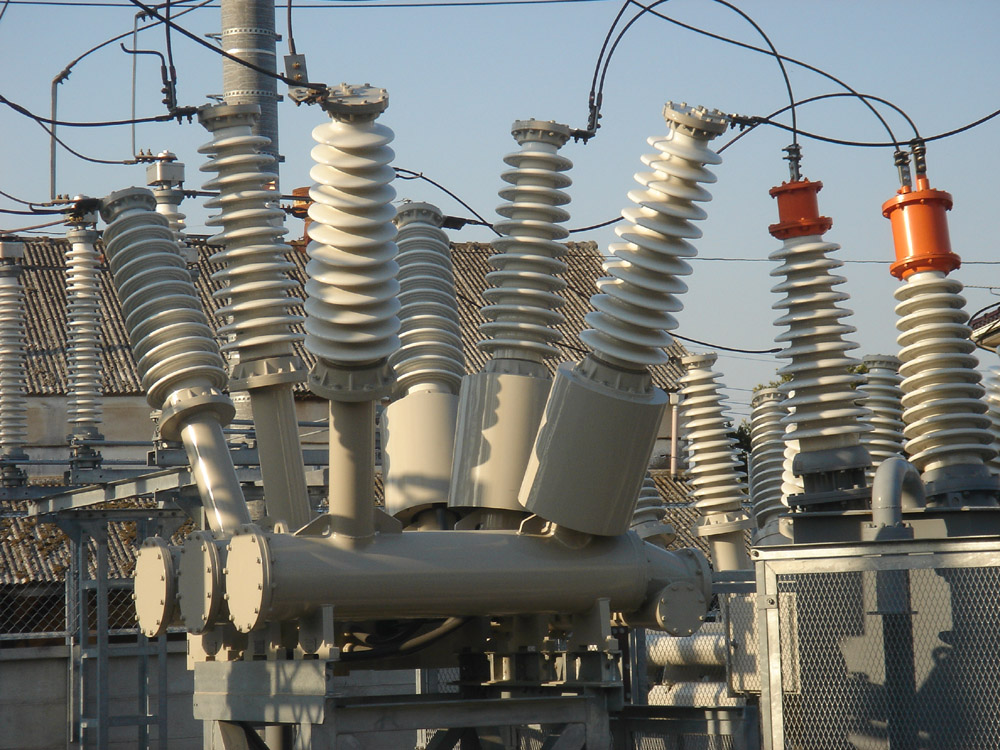

Utilities are another part of the market conversation. Even without making the story only about grid interconnections, the bundle’s focus on power constraints and load growth keeps utilities and the Utilities Select Sector SPDR Fund (XLU) in the frame. The same projects that drive AI optimism can trigger local debates about who pays for upgrades and how quickly capacity can be added—issues that can influence timelines and, indirectly, the cadence of AI infrastructure spending.
For now, the AI buildout story is balancing two realities: strong demand signals for compute and cloud, and a growing set of constraints—power, water, and permitting—that can determine how fast “announced capacity” becomes “revenue-producing capacity.”
What comes next will likely hinge on whether the industry can align buildout speed with community and resource limits while proving that AI services monetize at a pace that justifies the scale of infrastructure spending.
OmniMint uses outside reporting as citation anchors, then adds original market context and workflow analysis from published research data.
- AI buildout keeps stocks, cloud demand, power, water, and local pushback in focus AI infrastructure / local permitting source bundle - 2026-05-25T14:00:00Z
Source attribution: AI infrastructure / local permitting source bundle. Source attribution is preserved; this page is published as an OmniMint read.