AI data-center boom puts grid hookups and utility politics at the center of the trade

As hyperscalers race to add AI capacity, the constraint investors are watching is increasingly the electric meter: interconnection queues, power procurement, and who pays for upgrades—alongside water use and community pushback that can slow timelines.
A new bundle of AI infrastructure and local-permitting headlines is keeping markets focused on a less glamorous bottleneck in the AI buildout: getting large data centers connected to reliable electricity on acceptable terms.
The thread linking the headlines is straightforward. Demand for AI compute is driving more data-center construction and cloud expansion, but the pace of new capacity increasingly hinges on power constraints, grid strain and interconnection timing—while water usage concerns, permitting scrutiny and community protests add a second layer of real-world friction.
For investors, that shifts part of the AI narrative from “who sells the fastest chips” to “who can actually energize the buildings.” Nvidia (NVDA) remains a key symbol in the trade because its accelerators sit at the center of AI training and inference buildouts. But the near-term market read-through is broad: Microsoft (MSFT), Alphabet (GOOGL), Amazon (AMZN) and Meta (META) are tied to data-center demand through cloud services and internal AI spending; the Nasdaq-100 tracker QQQ reflects the index-level sensitivity; and utilities, including the sector tracked by XLU, are increasingly pulled into the same storyline as load growth and grid upgrades move from background detail to headline risk.
From the source bundle’s framing, the operational issues cluster into a few market-relevant pressure points:


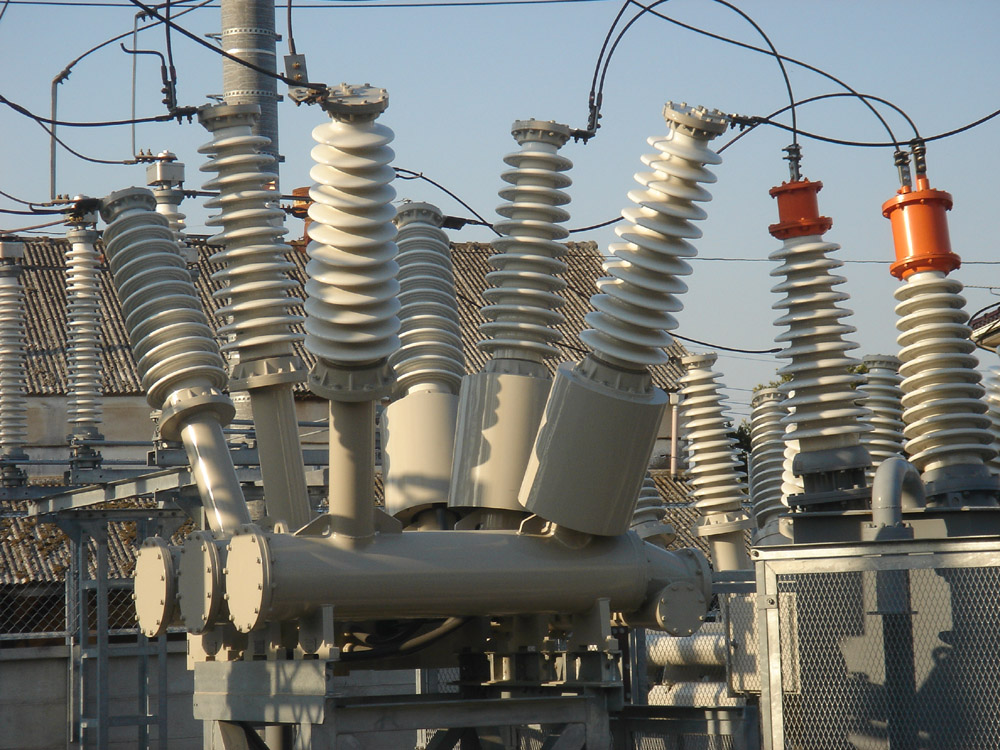
First, power procurement and grid interconnection. AI data centers are power-hungry, and the availability of firm electricity—plus the timing of hookups—can become a gating factor for when new AI capacity comes online. If energization schedules slip, that can ripple back into equipment delivery timing and utilization, affecting how quickly chips and servers translate into deployed compute.
Second, utility and regulatory politics. When new data-center load hits a region, questions follow about who funds transmission and distribution upgrades and how costs get allocated among new customers and existing ratepayers. That matters for utilities’ capital spending outlook and, just as importantly, for the permitting and approval processes that can shape project timelines.
Third, local resource tension beyond electricity. The same set of headlines highlights water usage as a growing flashpoint, especially where cooling needs intersect with drought concerns or municipal supply limits. Combined with permitting scrutiny, public meetings and demonstrations, water can become a parallel constraint that increases the odds of delay—or forces redesigns that change cost and schedule.

In OmniMint’s interpretation, this mix of grid and community constraints changes the market’s transmission channels. The upside case for AI-linked tech still rests on software monetization—cloud providers and platforms converting AI features into paid usage and advertising or subscription lift. But the downside risk is no longer only about demand cycles or chip supply; it is also about construction lead times, the availability of power, and the political durability of large-scale buildouts.
That creates a two-speed setup across sectors. Mega-cap tech can benefit from AI product demand, but it also concentrates exposure to infrastructure execution risk. Utilities can see a supportive long-run demand backdrop from load growth, yet face near-term complexity around grid strain, upgrade cycles and regulatory cost recovery. Meanwhile, increased scrutiny around water and permitting can raise uncertainty for specific geographies, even if overall AI demand remains strong.
What comes next will likely be signaled less by app launches and more by infrastructure milestones: interconnection approvals, power purchase arrangements, and local permitting outcomes. Markets will also watch whether community opposition stays localized or becomes more coordinated, and whether the resulting scrutiny translates into slower timelines or higher mitigation costs for large projects.
The unifying point from the source bundle is that AI’s next phase is increasingly negotiated in public—in utility proceedings, permitting offices and community hearings—making grid capacity, water usage and local acceptance key swing factors for both tech and infrastructure investors.
OmniMint uses outside reporting as citation anchors, then adds original market context and workflow analysis from published research data.
- AI buildout keeps stocks, cloud demand, power, water, and local pushback in focus AI infrastructure / local permitting source bundle - 2026-05-25T14:00:00Z
Source attribution: AI infrastructure / local permitting source bundle. Source attribution is preserved; this page is published as an OmniMint read.