AI data-center boom shifts focus to grid hookups as utilities and communities weigh who pays
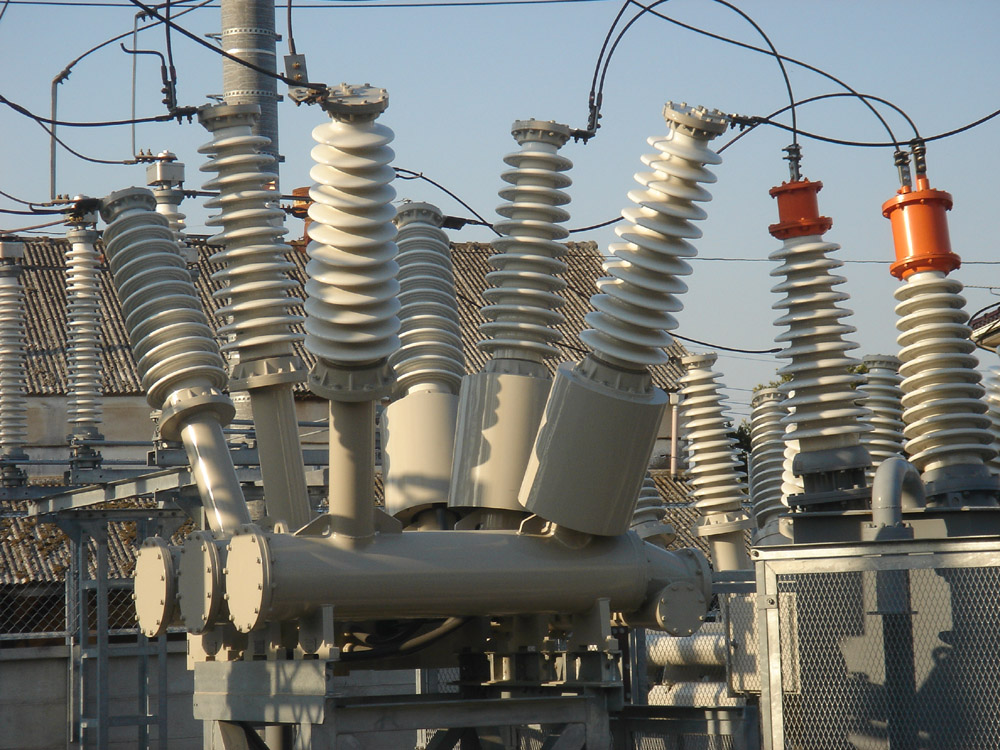
A fresh bundle of AI infrastructure headlines keeps power procurement and grid interconnection in the spotlight. The market read-through spans hyperscalers’ buildouts, chip demand, and utility-rate politics.
The AI buildout is putting the electric grid at the center of the story, as a new bundle of infrastructure and local-permitting headlines links surging data-center demand to power constraints, interconnection friction, and growing debate over who pays for upgrades.
While the AI narrative often starts with chips and cloud software, the source bundle underscores a simpler bottleneck: large data centers need dependable, high-volume electricity—plus the approvals and grid connections to match. That is keeping utilities, transmission capacity, and rate-setting politics in focus alongside the usual AI winners in semiconductors and big tech.
For markets, the immediate read-through is broad. On the demand side are the hyperscalers—Microsoft (MSFT), Alphabet (GOOGL), Amazon (AMZN) and Meta (META)—whose cloud and AI product roadmaps rely on rapidly expanding compute. On the supply side are AI chip and systems vendors such as Nvidia (NVDA), whose revenue momentum is tightly tied to whether data-center projects can move from plan to energized facility. With the Nasdaq-heavy Invesco QQQ Trust (QQQ) acting as a common wrapper for these exposures, the grid question can show up as an index-level narrative as much as a single-stock one.


Utilities are the other major touchpoint. In theory, accelerating data-center load is a growth tailwind for power providers and related infrastructure, a theme that can spill into utilities sector positioning through vehicles such as the Utilities Select Sector SPDR Fund (XLU). But the source bundle’s emphasis on power constraints and permitting scrutiny highlights the risk that load growth is not frictionless: new substations, transmission lines, and generation additions can face long lead times and public-process hurdles.
That sets up a more political and local dimension than many investors expect from an “AI trade.” Data centers concentrate demand in specific places, which can translate into contentious community meetings and demonstrations, especially when projects are seen as stressing local resources. The source bundle flags water usage as another point of pressure, and the combination—electricity plus water—can widen opposition beyond the typical zoning debates.
In OmniMint’s view, the market mechanics to watch are no longer just capex totals, but the practical sequence of what has to happen next: land and permits, then grid interconnection agreements and buildout, then reliable power delivery at scale. When any step becomes uncertain, timelines become a key variable for both sides of the AI ecosystem—chip shipments that depend on data-center readiness, and cloud capacity that depends on energized racks.
The cost-allocation debate is a particularly sensitive junction. Grid upgrades can ultimately flow into customer bills or negotiated arrangements, and that can invite regulatory scrutiny. If local stakeholders or regulators question whether ratepayers should subsidize infrastructure for private data centers, that can add another layer of delay risk even when demand is strong.


None of this means projects will be stopped; the source bundle frames outcomes as uncertainty and risk rather than confirmed cancellations. But the direction of travel is clear: the AI buildout is forcing a closer look at how quickly utilities can add capacity, how interconnection queues are managed, and how communities respond when large new loads arrive.
For investors trying to map the theme, a practical split is emerging. The “AI demand” basket (NVDA and the hyperscalers) tends to trade on product momentum and cloud spending expectations, while the “AI enablement” basket (utilities and power infrastructure) can trade on load growth narratives—tempered by regulatory and local constraints. The same headline can lift the idea of rising electricity demand while also raising questions about bottlenecks.
What comes next will likely be signaled less by glossy AI product announcements and more by the unglamorous markers of progress: permitting updates, interconnection milestones, utility planning and rate proceedings, and community feedback on power and water impacts.
OmniMint uses outside reporting as citation anchors, then adds original market context and workflow analysis from published research data.
- AI buildout keeps stocks, cloud demand, power, water, and local pushback in focus AI infrastructure / local permitting source bundle - 2026-05-25T14:00:00Z
Source attribution: AI infrastructure / local permitting source bundle. Source attribution is preserved; this page is published as an OmniMint read.