Fed-rate expectations shift the market’s ‘horizon,’ putting long bonds and mega-cap tech back under the microscope

A Fed-linked stretch of commentary and inflation expectations is keeping investors focused on the policy “horizon” rather than a single meeting. That framing is showing up in Treasury duration moves, the dollar, and growth-stock sensitivity.
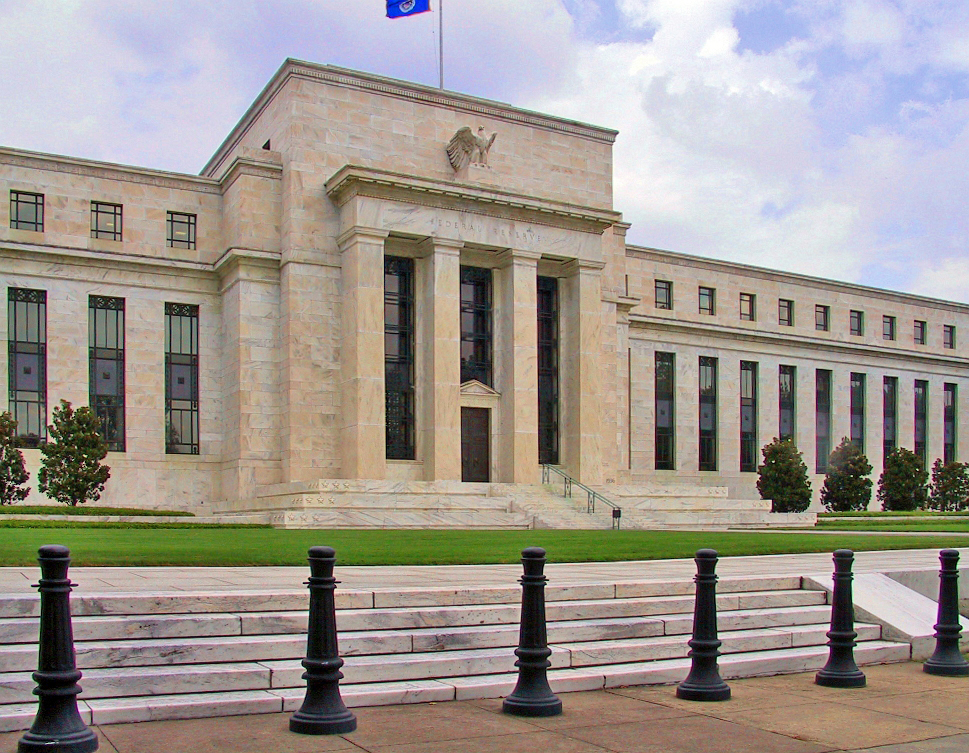
Markets are treating Federal Reserve rate expectations less like a countdown to the next decision and more like a debate over how long restrictive conditions persist—an emphasis that is pulling Treasury yields, the dollar, and equity leadership back into the same conversation.
The setup is being driven by Fed-related commentary and a macro calendar that keeps inflation expectations in play. For investors, that mix tends to change not just the perceived direction of the next policy move, but the “horizon” for policy—how quickly conditions could ease, and how confident markets can be that inflation pressures are truly cooling.
Why it matters now is straightforward: when the expected horizon shifts, the first and cleanest reaction typically shows up in duration-sensitive Treasuries. Longer-dated exposure—often tracked in products like the iShares 20+ Year Treasury Bond ETF (TLT)—can swing more sharply as the market revises how long higher rates might stick around. Intermediate-duration exposure, such as the iShares 7-10 Year Treasury Bond ETF (IEF), can reflect a similar repricing but with less sensitivity to longer-run uncertainty.

That duration impulse then travels quickly into other asset classes through discount-rate math and cross-asset positioning. In equities, the most visible expression is the tug-of-war between growth-heavy leadership and the broader market. The Nasdaq-100 proxy Invesco QQQ Trust (QQQ) is often more sensitive to changes in yields and the discount rate applied to future earnings, while the S&P 500 proxy SPDR S&P 500 ETF Trust (SPY) typically reflects a wider mix of sectors and cash-flow profiles.
Small caps add another layer. The iShares Russell 2000 ETF (IWM) can trade like a referendum on domestic growth and financial conditions—meaning it may benefit from easier expectations, but it can also be vulnerable if higher-for-longer thinking tightens the financing backdrop.
The dollar remains part of the same loop. When markets lean toward a more restrictive or longer-lasting policy stance, the U.S. dollar can firm as rate differentials and capital flows adjust, and vehicles such as the Invesco DB US Dollar Index Bullish Fund (UUP) sit on many traders’ dashboards as a quick proxy for that pressure. Dollar moves, in turn, can feed back into risk appetite and the relative performance of multinational-heavy indexes versus more domestically exposed segments.


OmniMint interpretation: the notable feature of this moment isn’t any single “cut vs. hold” narrative—it’s the market’s sensitivity to confidence. Fed communication and inflation expectations can nudge the market between two regimes: one where investors are comfortable extending duration and paying up for long-duration equity cash flows, and another where investors demand compensation for uncertainty and keep a tighter grip on valuation multiples.
There are clear risks to that read-through. If inflation expectations re-accelerate, the horizon can extend quickly, raising the odds that long-duration assets (like TLT and growth-heavy equity exposure) face renewed volatility. On the other hand, if inflation concerns fade, the same mechanics can work in reverse—supporting duration and shifting equity leadership back toward rate-sensitive groups.
What comes next is likely to be decided in the usual places: the cadence of Fed commentary, the inflation-sensitive data points investors use to anchor expectations, and the day-to-day message from the Treasury market about where yields want to settle. In the meantime, traders are watching whether moves in TLT and IEF are echoed by UUP—and whether QQQ’s relative performance versus SPY and IWM confirms that the market is repricing the policy horizon rather than simply reacting to headlines.
OmniMint uses outside reporting as citation anchors, then adds original market context and workflow analysis from published research data.
- Fed-rate expectations put yields and growth-stock leadership back in focus Federal Reserve / economic calendar source bundle - 2026-05-25T14:00:00Z
Source attribution: Federal Reserve / economic calendar source bundle. Source attribution is preserved; this page is published as an OmniMint read.